
If chest pain is sudden and comes with warning signs such as sweating, shortness of breath, nausea, or pain that spreads to an arm, the jaw or the back, treat it as an emergency and call 999 in Malaysia. Do not wait for a booked clinic slot.
For pain that is not an emergency, compare how it started, which tests can look for a heart cause, and whether another organ system could be involved, before you seek a planned review.
1. When chest pain is an emergency, not a planned visit
Official UK guidance on chest pain symptoms and on heart attack signs says to call emergency services when the pain is sudden, severe, or comes with those warning signs. In Malaysia, that means calling 999 or going to the nearest emergency department. A later appointment with a heart specialist is not a substitute for emergency care if those signs are present.

The British Heart Foundation also explains that chest pain has more than one cause, which is why emergency staff start by ruling out life-threatening problems first. If you are unsure, treat it as urgent and let trained staff decide.
An NHS film on heart attack signs and symptoms. Use it as background on warning signs, then call 999 in Malaysia if they appear. It is not a diagnosis tool.
2. How the pain started, where it travels, and what else you felt
Write down when the pain began, whether it came on at rest or during effort, how long each episode lasted, and whether food, a deep breath or a change in posture made it better or worse. Note if the pain spread, and whether you had sweat, breathlessness, nausea, dizziness or a blackout.
That history is often as useful as the first test, because similar discomfort can come from the heart, the lungs, the digestive tract or the chest wall.
3. Tests used to look for a heart cause
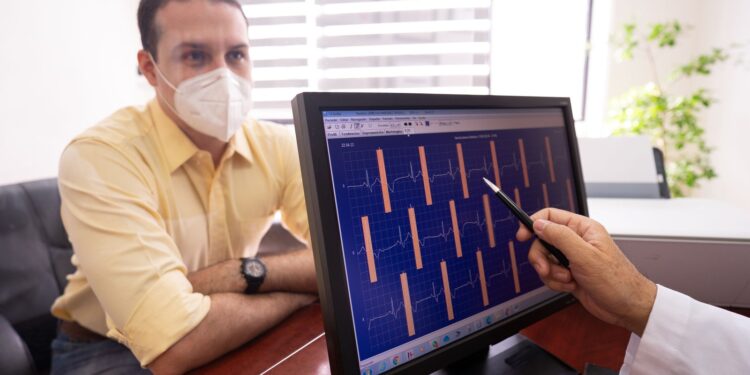
Depending on the story, a team may use a clinical history, an electrocardiogram, a blood test for troponin, a chest X-ray, an echocardiogram, a stress test, a CT scan of the coronary arteries, or an angiogram. You do not choose that list yourself.
BTMC’s outline of chest pain diagnosis in Malaysia describes those tools as part of a work-up, along with other tests such as lung function studies or cardiac MRI when they are needed. Ask which result will be reviewed first, and when you should receive a plain-language explanation of what it does and does not show.
4. Causes that are not from the heart, including the stomach and gallbladder
Chest discomfort can also come from acid reflux, a stomach ulcer, lung problems, a pulled muscle, or a gallbladder attack that is felt in the chest or upper abdomen. That is why a heart work-up and a digestive work-up sometimes overlap.
If stones or gallbladder inflammation are being considered, BTMC’s notes on gallstone removal describe laparoscopic cholecystectomy and, in some cases, open surgery, as well as observation when stones are found but are not causing symptoms. Treat those descriptions as background, not as a treatment you should request on your own.
5. What to bring and what to ask at a planned consult
If the pain has already been assessed as not an emergency, take a list of medicines and allergies, any earlier ECG or blood results, and a short timeline of the episodes.
Ask what the most likely causes are, which test comes next, what warning signs should send you back to the emergency department, and how soon the result will be explained. If cost or insurance approval will affect timing, ask that before the test is booked.
6. How follow-up and further referral are explained
A first visit may only start the work-up. Ask who reviews the results, whether another specialty needs to be involved, and what you should do if the pain changes before the next appointment. Clear follow-up matters as much as the first test, because a normal early result does not always close the question if symptoms continue.
Related hospital care: colorectal surgery and gallstone removal
Digestive causes of chest or abdominal symptoms are one reason people also ask about related hospital services. A colorectal surgery service may be discussed if bowel symptoms, bleeding or a planned colonoscopy sit alongside the chest-pain work-up.
Gallbladder care, already noted above, is another pathway when imaging or blood tests point away from the heart. None of these pages replaces emergency advice, and this article does not rank hospitals, clinics or doctors.
Quick checklist
| Check | Why it matters |
|---|---|
| Warning signs and 999 | Sudden severe pain with sweat, breathlessness or spreading pain is an emergency |
| A written symptom timeline | Onset, triggers and associated symptoms guide the first tests |
| Heart tests, in a clinical order | ECG, troponin and later imaging are chosen by the team, not by a menu |
| Non-heart causes | The stomach, gallbladder, lungs or chest wall can mimic heart pain |
| Records and questions | Medicines, earlier results and a return-if-worse plan belong at the consult |
| Follow-up ownership | Someone has to explain the result and the next step |
Frequently asked questions
Can I wait until office hours if the pain is mild but new?
If you have warning signs, do not wait. If the pain is mild and already being reviewed, follow the advice you were given, and return to emergency care if it worsens or new signs appear.
Does a normal ECG mean the pain is not from the heart?
Not always. An ECG is one early test, and your clinician may still need blood tests or further imaging if symptoms continue.
Can stomach or gallbladder problems feel like chest pain?
Yes. Acid reflux, a stomach ulcer or a gallbladder attack can be felt in the chest or upper abdomen, so the two work-ups sometimes overlap.
What should I take to a planned consult?
Bring a list of medicines and allergies, earlier ECG or blood results, and a short timeline of the episodes, and ask which warning signs should send you back to emergency care.